
Our Partners
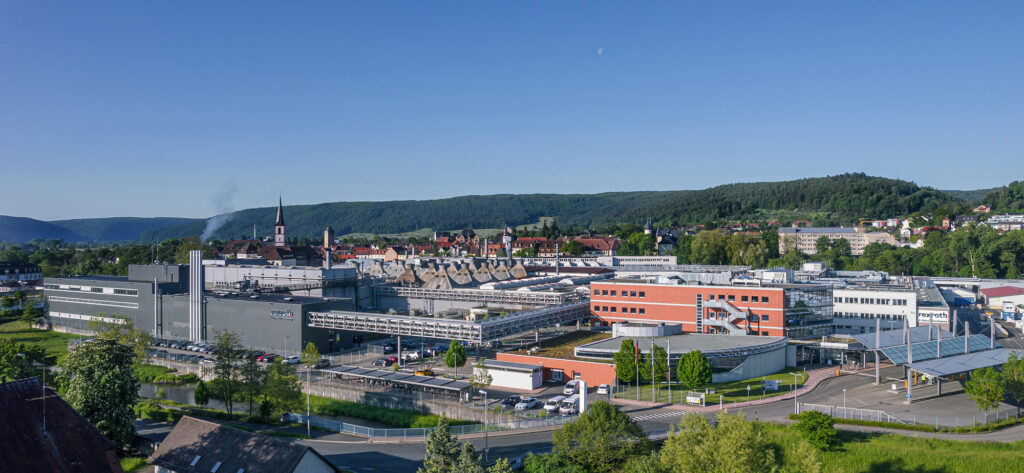
Bosch Rexroth AG is currently one of the leading manufacturers of pneumatic and hydraulic equipment, actuators, and control systems. Bosch Rexroth is a pioneer in these fields and provides companies in the machine-building industry and equipment manufacturers with the latest advancements in these areas. The wealth of experience accumulated over several hundred years entitles the company to call itself a leader in its
field.
The company’s history can be traced back to 1795, when George Ludwig Rexroth began manufacturing hammers in Spessart. More than half a century later, the firm acquired the Steisen factory and moved its headquarters to the Main Valley. The year 1952 was a milestone for the company: that year marked the start of production of hydraulic systems and their components. In 1965, Rexroth acquired Indramat GmbH. Exactly 10 years later, the Austrian company Mannesmann AG acquired 100% of Rexroth’s shares and established a company under the new name Mannesmann Rexroth. A year later, the newly formed company acquired Brueninghaus GmbH. In 2001, Bosch Rexroth AG was formed following the merger of Bosch Automationstechnik and Mannesmann Rexroth AG.
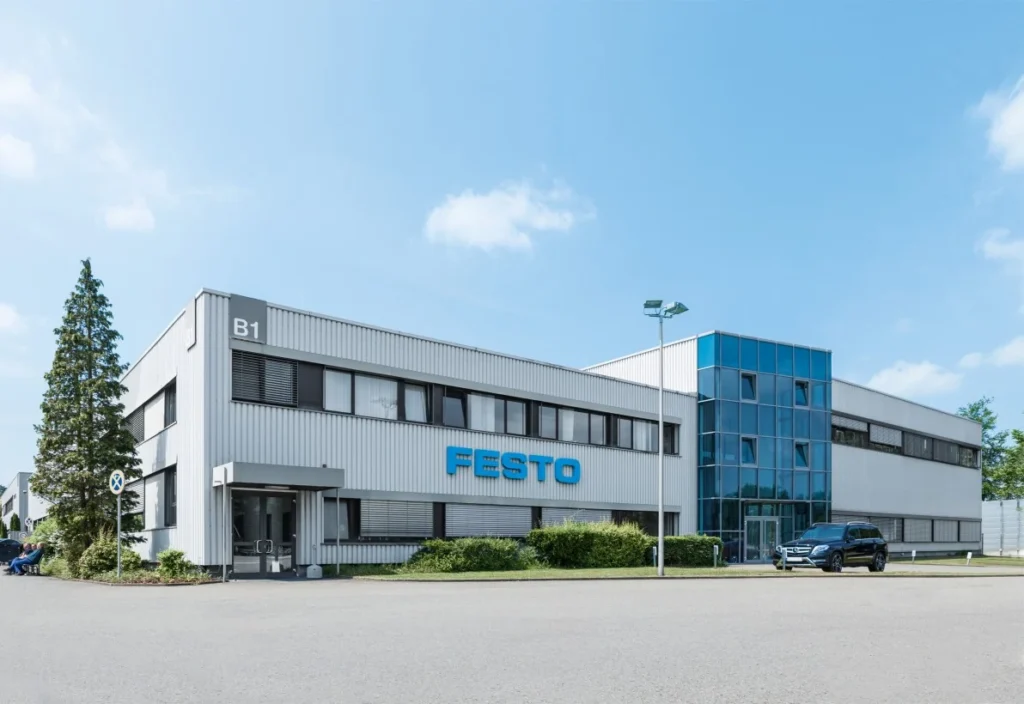
Festo, now a leading global supplier of manufacturing automation technologies, was founded in 1925 in Esslingen, Germany, by Albert Fezer and Gottlieb Stoll. The founders gave the company its original name: Fezer and Stoll. Initially, the company offered a range of tools for carpenters. Over the years, the product range expanded to include, among other things, a portable chainsaw, the SB 126 and BD 125 hand-held circular saws, and a chain chisel. Festo was the first company to begin widely using compressed air in industrial automation as early as the 1950s. This innovative approach to the field led to the launch of a new business segment—automation technology—laying the foundation for a new industry in which Festo has assumed a leading role worldwide.
However, Festo did not abandon the production of tools, gradually expanding its product range to include hand tools. In the 1970s, with a focus on the design and manufacture of electric and pneumatic tools, the company introduced the eccentric sander, or Rotex RO1, featuring patented technology.
Today, Festo operates in more than 176 countries around the world. It employs nearly 21,000 people in 61 countries. In total, the company’s more than 250 subsidiaries worldwide generated sales of 3.8 billion euros in 2022. Festo’s product range meets every need for pneumatic systems, from tasks such as compressed air production to compressed air treatment, distribution, and use in virtually any working environment.
Siemens, more commonly known as Siemens (German: Siemens AG, Siemens Aktiengesellschaft, Xetra: SIEGn, FWB: SIEGn, NYSE: SI)—is the world’s second-largest and Europe’s largest multinational conglomerate, operating in the fields of electrical engineering, electronics, energy, mechanical engineering, healthcare, telecommunications, and lighting technology. Its headquarters are in Berlin and Munich (Germany). According to Forbes magazine’s 2011 ranking of the world’s largest publicly traded companies, the company ranks 50th.
Siemens and its subsidiaries employ a total of approximately 360,000 people in 190 countries. The company’s consolidated revenue totaled 73 billion euros in 2011. The company’s shares are traded on the Frankfurt Stock Exchange and, since March 12, 2001, on the New York Stock Exchange.
As of 2023, Siemens’ main business units are Digital Industries, Smart Infrastructure, Mobility, Health, and Financial Services, with Siemens Healthineers and Siemens Mobility operating as independent companies. Major business units that were once part of Siemens before being spun off include semiconductor manufacturer Infineon Technologies (1999), Siemens Mobile (2005), Gigaset Communications (2008), Osram’s photonics business (2013), and Siemens Energy (2020).
Siemens AG operates in more than 190 countries around the world, making it one of the leaders among companies and organizations in terms of global presence, alongside FIFA (208 national associations) and The Coca-Cola Company (over 200). According to the results of the 2009/2010 fiscal year (October 1, 2008, to September 30, 2009), the company’s revenue totaled 75.978 billion euros. As of September 30, 2010, the company had 405,000 employees.
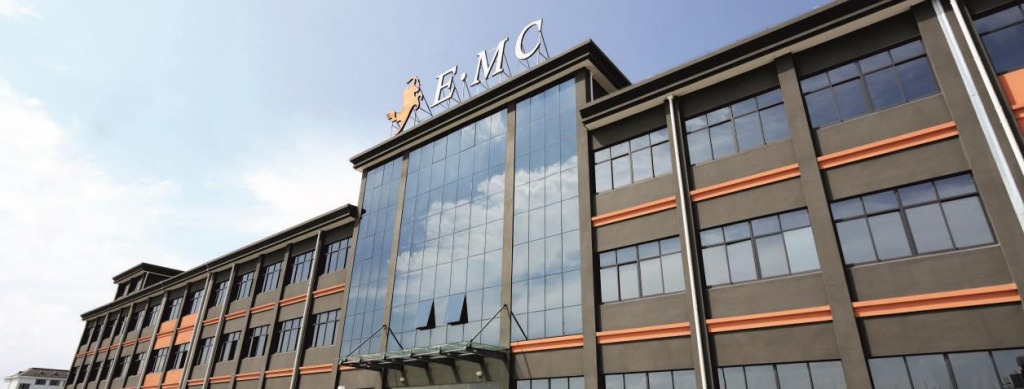

E-MC, as a brand, was established in 2010 alongside the founding of Zhejiang Eternal Automation Sci-tec Co., Ltd. We have continued to focus on research and development in the fields of pneumatics and industrial automation since the founding of our predecessor company in 1986. E-MC primarily serves high-end equipment manufacturers to optimize their production through efficient, intelligent, precise, and energy-saving pneumatic components and related automation products. With world-class manufacturing capabilities supported by a state-of-the-art, continuously improving quality system, technology and machining, equipment, and programming, E-MC continues to lead the way in innovation and has evolved into a high-tech company that integrates R&D, manufacturing, and sales.
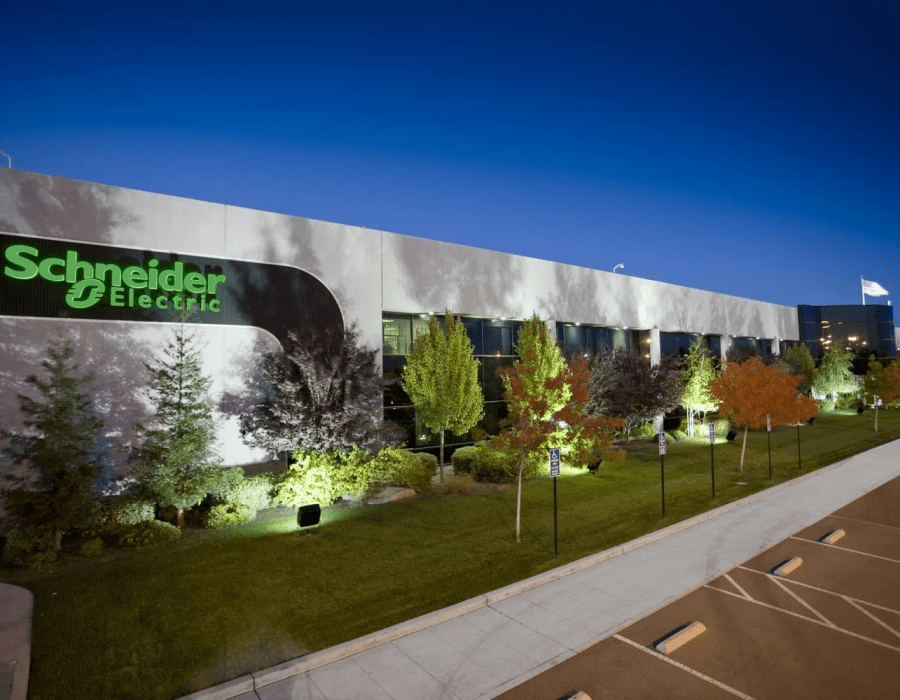
Schneider Electric is a French power equipment manufacturing corporation that produces equipment for the power systems of industrial facilities, commercial and residential buildings, and data centers. The company was founded by brothers Eugène and Adolphe[fr] Schneider in 1836 through the acquisition of the firm “Le Creusot,” which had been manufacturing industrial equipment in the town of Le Creusot since 1782. In 1838, the company produced the first French steam locomotive.
From its founding until the end of World War II, the company was primarily engaged in the production of weapons, both for the French army and for export. In particular, many of the Russian Empire’s artillery pieces were either manufactured at Schneider’s factories or built at domestic plants under license from the company. As of 1929, “Cresso-Schneider” controlled the “Škoda” company in Czechoslovakia. As of 1939, Schneider’s business interests included the manufacture of industrial and electrical equipment, shipbuilding, metallurgy, mineral extraction, and its own bank, the Union Européenne Industrielle et Financière. From 1942 to 1960, the group was headed by Charles Schneider, the last member of the family to serve in management. In 1949, he reorganized the group, forming three major subsidiaries in the fields of electrical engineering, industrial manufacturing, and construction. Although the French government remained the group’s largest client, the company began to expand its exports and open overseas operations. A key event of the 2000s was the acquisition of American Power Conversion, the largest manufacturer of uninterruptible power supply systems for computing equipment; the $6.1 billion deal took place in 2007. In 2017, the company acquired a 60% stake in the British company Aveva; in 2023, this stake was increased to 100%. In 2018, it acquired a portion of the assets of the Indian company Larsen & Toubro in the fields of electrical engineering and manufacturing automation. In 2020, the German software developer RIB Software was acquired. In January 2021, the research firm Corporate Knights published its ranking of the world’s most socially responsible companies. The list was topped by the French company Schneider Electric, which had ranked 29th the previous year.