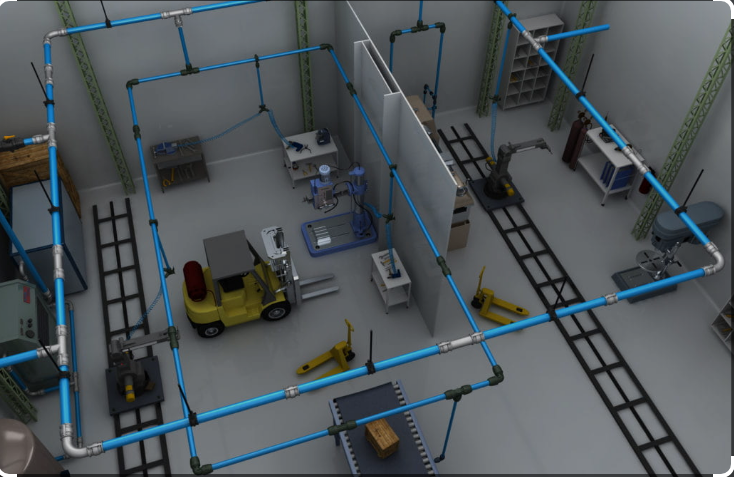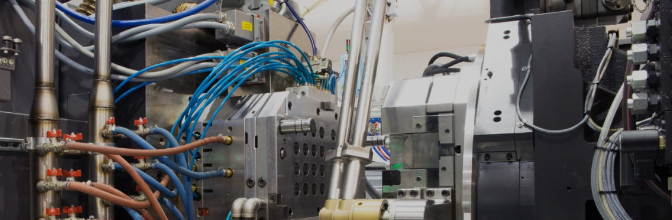
The Engineering Center at PNEUMOSYSTEMS LLC is a dedicated division focused on solving problems related to compressed air systems. Thanks to advanced CAD software and expertise backed by many years of experience, we are able to design and install compressed air systems tailored to the needs of every customer, even the most demanding ones. We will select all the components necessary for proper operation, from the compressor and piping to the air cylinder or blow-off gun.
For individual clients, we offer comprehensive consulting services and the installation of pneumatic systems. After analyzing your needs, we will select the materials, pipe diameters, and technology that are most beneficial for your company, minimizing costs and maximizing benefits. We will also prepare all the necessary contract documentation required for submitting and registering the equipment with the authorities specified by regulatory acts.
We offer support to design firms and general contractors for investment projects during the stage of preparing cost estimates and designs for pneumatic systems and compressor station equipment.
In addition to issues related to compressed air systems, we offer professional consulting and the implementation of custom projects based on pneumatics or vacuum technology. We have a track record of many successful equipment projects, such as manipulators, pneumatic machines, control systems, and more.
Our Engineering Center also develops detailed technical documentation for the equipment offered by Pneumosystems Engineering Company, LLC.
We provide comprehensive services for pneumatic systems—from preparing an energy balance, that is, comparing the compressor’s capacity with the total air demand of the consumers, through the selection of pipe and hose diameters, as well as fittings and devices, to the startup and commissioning of the system on-site.
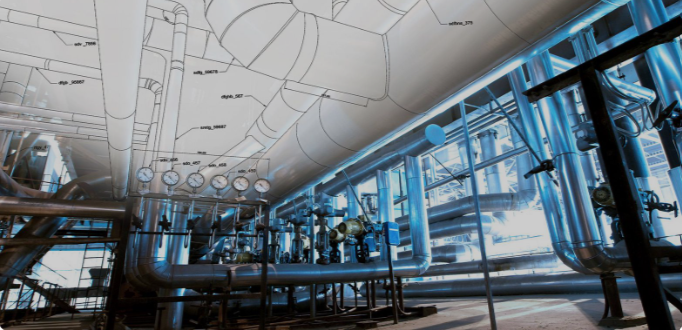
Proper selection of components and installation of the pneumatic system ensure maximum performance of tools, machines, and equipment, as well as reduced energy consumption by the compressor drive unit.
1. Energy Efficiency
One of the key factors affecting the efficiency of a compressed air system is minimizing pressure losses in the piping. Incorrectly selected pipe diameters, as well as piping routes that are too long or too complex, can cause significant pressure losses. This means that the compressor must work harder to maintain the required pressure at the end-users, leading to increased energy consumption and higher operating costs.
2. Reduced equipment wear and tear
Proper piping layout promotes even pressure distribution and reduces the load on individual system components. Uneven pressure distribution can lead to premature wear of compressors, valves, filters, and other components. An optimal piping configuration helps prevent water hammer and vibrations, which negatively affect the equipment’s service life.
3. Improving Productivity
An efficient pneumatic piping system ensures a stable and sufficient supply of compressed air to all consumers. This allows for the optimal operation of pneumatic tools and equipment, ensuring their maximum productivity. Any interruptions or drops in pressure can lead to a halt in the production process or a decline in product quality.
4. Preventing Condensation
Improper piping design can contribute to condensate buildup, which leads to corrosion of pipes and equipment. Proper piping layout—taking into account slopes and the installation of drainage systems—allows for the effective removal of condensate, preventing its buildup and negative impact on the system.
5. Flexibility and scalability
A well-designed piping system makes it easy to modify and expand the network as needed. This is especially important for companies planning to expand production or change their equipment configuration. The flexible system ensures that changes can be made with minimal time and resource expenditure.
Proper layout of the pneumatic piping in a compressed air system is critical to ensuring its efficient, reliable, and cost-effective operation. Investing time and resources in the design and installation of an optimal piping configuration pays off through reduced energy consumption, increased equipment longevity, and improved overall system productivity. By taking a professional approach to planning pneumatic networks, companies can achieve significant benefits and ensure the stable operation of their production processes.